Featured
Table of Contents

Success outside commonly masks battles on the within. High up-and-comers regularly browse careers, relationships, and obligations while fighting devastating anxiousness, clinical depression, and the exhausting demands of perfectionism. When outside achievements fail to peaceful interior objection, specialized treatment methods can assist break cycles that keep driven people trapped in between accomplishment and satisfaction.
The Hidden Price of High-Functioning Anxiety
High-functioning anxiety provides a mystery that perplexes both victims and viewers. From the outdoors, everything appears controlled-- deadlines satisfied, assumptions exceeded, objectives accomplished. Inside, however, a constant stream of concern, insecurity, and concern of failure drives every choice and action. This dissonance between public success and personal suffering produces unique restorative obstacles that common stress and anxiety treatment usually misses.
Dr. Krajewski is an intelligent and compassionate psychotherapist serving patients in Arlington, Virginia. She is particularly well equipped to work with people struggling with anxiety and depression.
Unlike anxiousness that harms everyday performance, high-functioning anxiety commonly goes unacknowledged due to the fact that it generates results. The worn expert that can not quit checking e-mails, the moms and dad who micromanages every information of household life, the student who stresses over projects weeks beforehand-- all demonstrate "" useful"" habits that mask profound psychological distress. Conventional treatment approaches may unintentionally enhance these patterns by concentrating solely on tension monitoring instead than resolving the much deeper beliefs driving the stress and anxiety.
Efficient anxiousness therapy for high up-and-comers identifies that the objective is not simply to lower anxiousness sufficient to maintain efficiency. Real recovery needs checking out the core ideas about worth, safety, and reputation that make consistent making every effort seem like survival instead of choice.
Anxiety in High Achievers: When Success Feels Vacant
Anxiety amongst high-functioning people usually manifests in different ways than timeless presentations. Instead of evident withdrawal or inability to work, high-achiever depression regularly appears as persistent vacuum in spite of achievements, failure to experience delight from successes, and a prevalent feeling that absolutely nothing is ever enough. This kind of clinical depression can persist for years prior to acknowledgment since exterior markers of wellness mask internal depletion.
The separate between success and satisfaction develops profound complication. If success was expected to bring joy, why does each milestone really feel hollow? This question haunts lots of high achievers that have actually organized their whole lives around goals that stopped working to provide assured satisfaction. Anxiety treatment that resolves this particular sensation must surpass symptom management to check out questions of identification, significance, and authentic wish.
Lots of driven people uncover via therapy that their clinical depression originates from living according to internalized "" shoulds"" rather than real desires. Years of enhancing for others' authorization, exterior validation, or culturally recommended success pens leave little space for self-knowledge or genuine direction. Anxiety becomes the mind's demonstration versus this self-abandonment-- a signal that something basic needs focus.
[:specialty]Perfectionism: The Catch That Resembles Quality
Perfectionism masquerades as a merit in achievement-oriented cultures, but its psychological fact differs substantially from healthy making every effort. Where quality involves establishing high criteria and sensation complete satisfaction from fulfilling them, perfectionism creates difficult requirements coupled with ruthless self-criticism despite end results. This difference confirms essential in perfectionism therapy, where the objective is not to reduced criteria yet to create healthier partnerships with accomplishment itself.
Perfectionist patterns normally develop as protective techniques during childhood or adolescence. Probably conditional love instructed that errors indicated denial, or chaotic atmospheres produced the idea that perfect control avoids catastrophe. No matter of origin, perfectionism runs on the core presumption that flawlessness is both feasible and required for safety or acceptance. This impossible demand produces consistent anxiousness, pity cycles, and ultimate fatigue or depression.
Efficient perfectionism treatment addresses these hidden ideas while aiding clients compare adaptive high requirements and maladaptive perfectionism. Restorative techniques include:
- Determining and testing cognitive distortions like all-or-nothing thinking and catastrophizing
- Developing self-compassion techniques that interrupt rough internal objection
- Trying out with calculated flaw to examine catastrophic predictions
- Checking out youth origins of perfectionist ideas and grieving unmet needs
- Structure tolerance for unpredictability and loss of control with finished direct exposure
- Reconnecting with inherent inspiration versus fear-based drivenness
The makeover from perfectionism to healthy and balanced achievement essentially shifts one's partnership with self-- from conditional acceptance based upon performance to fundamental worth independent of results.
Codependency and Self-confidence: The Accomplishment Catch
High up-and-comers typically struggle with codependency patterns that negate their skilled outside discussion. Codependency includes deriving self-worth largely from others' demands, sensations, or opinions instead than internal recognition. For driven people, this often manifests as uncontrollable caretaking, problem setting borders, and organizing life around others' comfort while overlooking personal needs.
The link in between codependency and high accomplishment runs deeper than many identify. Both patterns can stem from the same core injury-- the idea that intrinsic worth should be earned via efficiency, efficiency, or meeting others' assumptions. High achievers might replace professional success for relational approval, yet the underlying dynamic remains: worth relies on external recognition as opposed to inner acceptance.
Codependency treatment for high-functioning individuals requires dealing with numerous interconnected patterns. Customers discover to recognize where their sense of self ends and others begin, recognizing just how border dissolution drives both relationship disorder and specialist overextension. Treatment discovers exactly how stating yes to every little thing and everybody unavoidably means saying no to self-- producing the bitterness, fatigue, and identity complication attribute of codependency.
Self-worth therapy within this context focuses on creating inner validation systems that don't call for consistent success or approval. This verifies particularly challenging for people whose whole identification has organized around being "" the qualified one,"" "" the fixer,"" or "" the high performer."" Learning to derive worth from being instead than doing stands for a basic identity shift that needs persistence, concern, and continual restorative support.
Integrated Treatment Approaches for Complicated Discussions
Stress and anxiety, depression, perfectionism, and codependency seldom exist in seclusion among high up-and-comers. These patterns typically interweave in complex manner ins which need incorporated therapeutic techniques. A nit-picker might create anxiety regarding preserving impossible requirements, after that experience anxiety when inevitably falling short. Codependent patterns might drive overachievement as a strategy for safeguarding connections, while concurrently diminishing the emotional sources required for authentic connection.
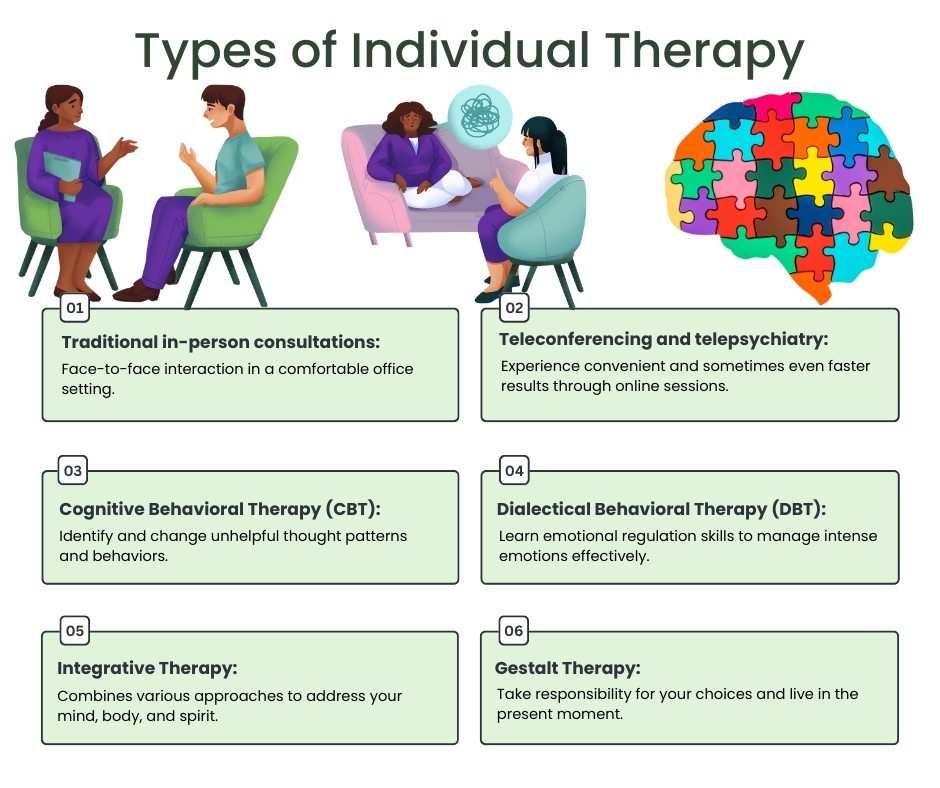
Reliable treatment identifies these affiliations and addresses underlying motifs that extend numerous signs. Core problems frequently include anxiety of abandonment, pity about fundamental worth, difficulty with susceptability, and interference from authentic self. Therapy modalities that verify especially reliable for high-achieving populations consist of cognitive-behavioral strategies for difficult altered reasoning, psychodynamic exploration of developing injuries, somatic methods for nerves law, and compassion-focused treatment for creating self-kindness.
Companies concentrating on high-achiever mental wellness, such as Everbe Therapy, understand that collaborating with driven people calls for certain restorative attunement. These clients typically come close to therapy itself with efficiency anxiousness, worry about appearing weak, or assumptions of quick results. Effective therapists produce space for susceptability while respecting customers' requirement for structure, progression metrics, and concrete devices-- conference high up-and-comers where they are while slowly broadening capacity for self-compassion and process-oriented healing.

Locating the Right Therapeutic Support
Choosing a therapist for stress and anxiety, clinical depression, and perfectionism in high-achieving people calls for consideration past general credentials. One of the most reliable restorative partnerships for this population include numerous vital aspects:
- Understanding of high-functioning presentations where distress exists side-by-side with skills
- Recognition that lowering signs wants if underlying worth injuries remain unaddressed
- Capability to challenge achievement positioning without reproaching drive or passion
- Experience with the particular struggles of specialists, business owners, or persistent overachievers
- Assimilation of evidence-based strategies with relationally hip to, caring visibility
- Determination to deal with cultural and systemic elements that reward perfectionism and self-neglect
The trip from high-functioning enduring to authentic wellness needs greater than symptom management. It requires basic shifts in exactly how we specify success, procedure worth, and associate with ourselves. With specialized healing support, high achievers can discover that true quality arises not from fear-driven excellence but from authentic involvement with job, connections, and life itself-- imperfections and all.

Latest Posts
How EMDR Engages the Brain
Recognizing Intergenerational Injury: A Path to Healing With Somatic Treatment and EMDR
Your Path through Restoration with Trauma-Informed Practice